
Renting in the Netherlands? Here’s What South Africans Need to Know Before They Arrive
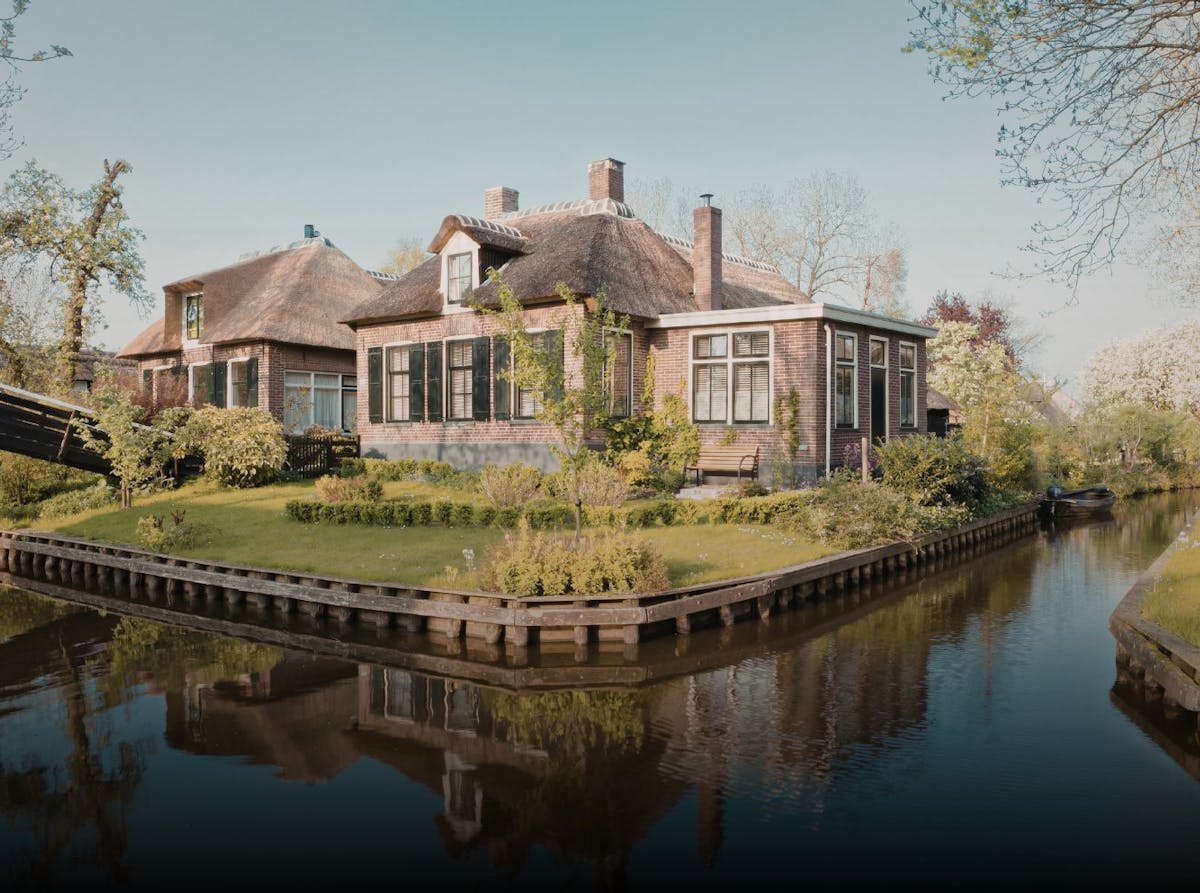
Finding a rental house or apartment in the Netherlands can feel like trying to get Springbok final tickets: everyone wants one, availability disappears fast, and you need to be ready before the opportunity opens.
For South Africans moving to the Netherlands, accommodation is one of the most important parts of relocation. Your first rental affects your BSN registration, Dutch bank account, health insurance, commute, children’s school options and your ability to feel settled in your new country.
The Dutch housing market is competitive, fast-moving and often very different from what South Africans are used to. Availability can be limited, especially in popular cities, and good rental properties can receive many applications shortly after being listed. That is why preparation matters.
Whether you are still planning your move from South Africa or already working in the Netherlands and looking for your next home, this guide explains where to search, what documents to prepare, what costs to expect and which rental rules you need to understand.
1. Before You Start Searching: Know What You Need From Your First Dutch Home
Your first rental in the Netherlands does not need to be your forever home. It needs to be practical, legal, affordable and suitable for the first stage of your Dutch life.
The most important question to ask is:
Can I register at this address?
In Dutch, you can ask:
“Kan ik mij inschrijven op dit adres?”
This means: “Can I register at this address?”
This matters because you need a valid residential address to register with the municipality, called the gemeente, and receive your BSN, or Burgerservicenummer. Your BSN is essential for everyday life in the Netherlands. You need it to open a Dutch bank account, arrange health insurance, access public services and manage many government-related processes.
Temporary accommodation such as hotels or Airbnbs usually cannot be used for municipal registration, so always confirm in writing that registration is allowed before paying a deposit or signing a rental agreement.
2. Where to Search for Rentals in the Netherlands
Two of the most common platforms for long-term rentals are Funda and Pararius. These websites are widely used for rental searches in the Netherlands, especially for longer-term rental properties.
You can also search through:
Rental agencies, known as makelaars.
Expat housing agencies.
Short-stay providers that allow BSN registration.
Company or relocation networks.
Recommendations from other South Africans already living in the Netherlands.
Facebook housing groups, but only with caution.
Many long-term rentals require a minimum lease of around 12 months. Because the market moves quickly, it helps to have your documents ready before you start booking viewings.
If you want to secure accommodation before arriving in the Netherlands, working with a trusted makelaar can be helpful. A makelaar can attend viewings on your behalf, assist with rental contracts, support negotiations and help check whether the rental terms are reasonable.
3. Short-Stay Accommodation vs Long-Term Rentals
Some candidates need short-stay accommodation first, especially if they arrive before securing a long-term rental. This can be a useful stepping stone, but only if the address allows registration.
Some short-stay accommodations permit BSN registration, although they are often more expensive and may require a minimum stay of two months. Always confirm directly with the accommodation provider before booking.
Examples of short-stay providers to explore include Shortstay Houses, De Maarnse Berg, The July, Haarlem Hotel Suites, Utrecht City Apartments, Tweelwonen and JOINN!.
Long-term rentals are usually more stable and cost-effective than short-stay options, but they can take longer to secure.
4. Understand Dutch Rental Terms: Gemeubileerd, Gestoffeerd and Kaal
Dutch rental descriptions can be confusing because “empty” can really mean empty.
There are three common rental states you should understand:
Gemeubileerd means fully furnished.
Gestoffeerd means basic fittings are included, such as flooring, blinds, light fittings, kitchen cupboards and sometimes appliances.
Kaal means bare, often without flooring, light fittings, paint, wallpaper, fridge or stove.
This has a big impact on your budget. A kaal apartment may look cheaper online, but if you need to buy flooring, lights, curtains, appliances and furniture, your setup costs can climb quickly. A gemeubileerd property may cost more per month, but it can make your first few months in the Netherlands much easier.
As a rough guide, setting up a home with furniture and household items can cost around €1,500 to €3,000, depending on what you need, where you shop and whether you buy new or second-hand.
5. What Rent Should You Expect?
Rent depends on location, size, condition, energy efficiency and whether the home is furnished. In many areas, especially larger cities, rental costs can range from around €1,400 to €2,500 per month and upward, depending on the type of home, area, state and size.
As a general guide:
A single person in a city centre may pay around €1,400 to €1,800 for a one-bedroom rental.
A couple in a city centre may pay around €1,700 to €2,200 for a two-bedroom rental.
A family of four in a city centre may pay around €2,200 to €2,800 for a three-bedroom rental.
Renting outside the city centre or in smaller cities can be more affordable.
For South Africans, this is often one of the biggest adjustments. Dutch homes are usually smaller than South African homes, and rent can feel high for the space you get. But it helps to look at the full picture: commute time, public transport, cycling routes, safety, access to work, schools and quality of life.
A smaller apartment close to a train station may be more practical than a bigger home that adds an hour to your daily commute.
6. Prepare Your Rental Application Documents
The Dutch rental market moves quickly. When a good property becomes available, landlords and agencies may receive many applications within a short time. Having your documents ready can make your application stronger.
You may need:
Proof of identity:
Passport or ID.
Residence permit or visa approval, if already available.
BSN, if you already have one.
Proof of income:
Employment contract.
Recent payslips, if already working in the Netherlands.
Employer statement.
Bank statement or proof of savings.
Short personal introduction about yourself or your family.
Reference from a previous landlord, if available.
Pet information, if you are relocating with pets.
If you are moving from South Africa and do not yet have Dutch payslips, your signed employment contract and relocation support can be especially important. A makelaar who understands expats can help present your application in a way that makes sense to Dutch landlords.
7. Budget for Deposits, Fees and First-Month Costs
A rental deposit is standard in the Netherlands and is often one to two months’ rent. Because rent is usually paid upfront, your first month can be expensive.
According to the Dutch government’s step-by-step plan for tenants, for tenancy agreements dated 1 July 2023 onwards, the maximum deposit a landlord may charge is two months’ basic rent. The same guidance explains that the deposit should usually be returned within 14 days after the tenancy ends, unless deductions are allowed, in which case the remaining amount must be returned within 30 days.
Also check whether agency or mediation fees apply. The Dutch government explains that if the landlord uses a rental agency, the landlord pays the mediation fee, and the agency cannot also charge the tenant for the same service. However, if you hire an agency yourself to help you find accommodation, you may need to pay that agency’s fee.
You should also plan for practical first-month costs, such as:
First month’s rent.
Deposit.
Furniture or household items.
Utilities setup.
Internet.
Municipal taxes.
Transport.
Groceries.
Health insurance back pay, if applicable.
8. Read the Rental Contract Carefully
Do not sign a Dutch rental contract simply because you feel desperate. Read the contract carefully or ask someone experienced to review it.
Check:
The start date.
The end date, if it is a fixed-term contract.
Whether registration at the address is allowed.
The deposit amount.
Whether rent is inclusive or exclusive.
Service costs.
Gas, water, electricity and internet arrangements.
Notice period.
Rules about pets.
Furniture inventory.
Maintenance responsibilities.
Whether the contract is fixed-term or indefinite.
The Dutch government’s rented housing guidance explains that a tenancy agreement sets out the conditions agreed by the tenant and landlord, including the rent amount, whether the tenancy is fixed or indefinite, rent increase date, maintenance agreements, house rules and signatures.
The government’s tenant step-by-step plan also explains that tenancy agreements dated 1 July 2023 onwards must be in writing, and landlords must provide written information about the use of the accommodation, tenant protection, rent protection, repairs, deposit return and service costs.
9. Know Your Rights: Rent Control and the Points System
The Netherlands has rental protections that many expats do not know about.
Under the Affordable Rent Act, new rental contracts signed on or after 1 July 2024 may fall under rent regulation if the property scores 186 points or less under the Dutch housing valuation system. Homes scoring 187 points or more fall into the private rental sector. The Dutch government’s English Affordable Rent Act brochure explains these categories and the role of the points system.
This does not mean every expat rental will be cheap. It means you should understand which rental category your home falls into and whether the rent matches the quality and points value of the property.
The Dutch government advises tenants to check whether the rent matches the quality of the accommodation by using the Rent Check, and to contact the Rent Tribunal, known as the Huurcommissie, if they believe they are paying too much. This is also explained in the government’s step-by-step plan for tenants.
10. Avoid Rental Scams
The Dutch housing shortage creates opportunities for scammers, especially when newcomers are searching from abroad.
Be careful if:
The rent seems too good to be true.
The landlord refuses a viewing or video call.
You are pressured to pay immediately.
The person cannot prove they own or manage the property.
You are asked to transfer money before receiving a contract.
The landlord says registration is not possible but avoids explaining why.
The photos look copied from another website.
The email address or payment details look suspicious.
Use trusted platforms, verify agencies and avoid paying large amounts without a proper contract and proof that the rental is legitimate.
11. Practical Tips for South Africans Renting in the Netherlands
Be flexible about location. Amsterdam, Utrecht, Rotterdam and The Hague are popular, but smaller towns can offer better value and still have excellent train connections.
Do not reject outskirts too quickly. In the Netherlands, a 20-minute cycle or train commute can be completely normal.
Ask whether utilities are included. Rent can be inclusive or exclusive of water, gas, electricity and sometimes internet. If utilities are excluded, you may need to register with providers yourself.
Ask about pets upfront. If you are relocating with pets, confirm whether the owner allows pets before committing.
Prepare for smaller spaces. Dutch homes often have clever layouts, but less storage than many South African homes.
Keep your documents ready. Good rentals move quickly, and slow applications often lose.
Final Thought: Your First Dutch Home Does Not Need to Be Forever
Renting in the Netherlands is competitive, but it is not impossible. The candidates who succeed are usually the ones who understand the process, prepare their documents early, know their budget and stay flexible about location.
Your first Dutch home does not need to be perfect forever. It needs to be legal, registerable, affordable and good enough to help you start your new life with confidence.
Once you are settled, have your BSN, bank account, health insurance and daily routine in place, you can explore your next step — whether that is a better rental, a different town or eventually buying your own home in the Netherlands.