🇳🇱 How South Africans Can Become Dutch Citizens: Your Naturalisation Guide
Becoming a Dutch citizen is one of the biggest milestones for South Africans who decide to build a long-term future in the Netherlands. Whether you arrived as a Highly Skilled Migrant, with your family, or through a partner, many expats eventually reach a point where Dutch nationality offers the stability, opportunities, and freedom they want for themselves and their children.
This guide breaks down everything South Africans need to know: from requirements and timelines to language tests and what to expect during the naturalisation ceremony.
✨ What Is Naturalisation?
Naturalisation is the legal process of becoming a Dutch citizen after living in the Netherlands for a specified number of years under a valid residence permit. Once approved, you gain:
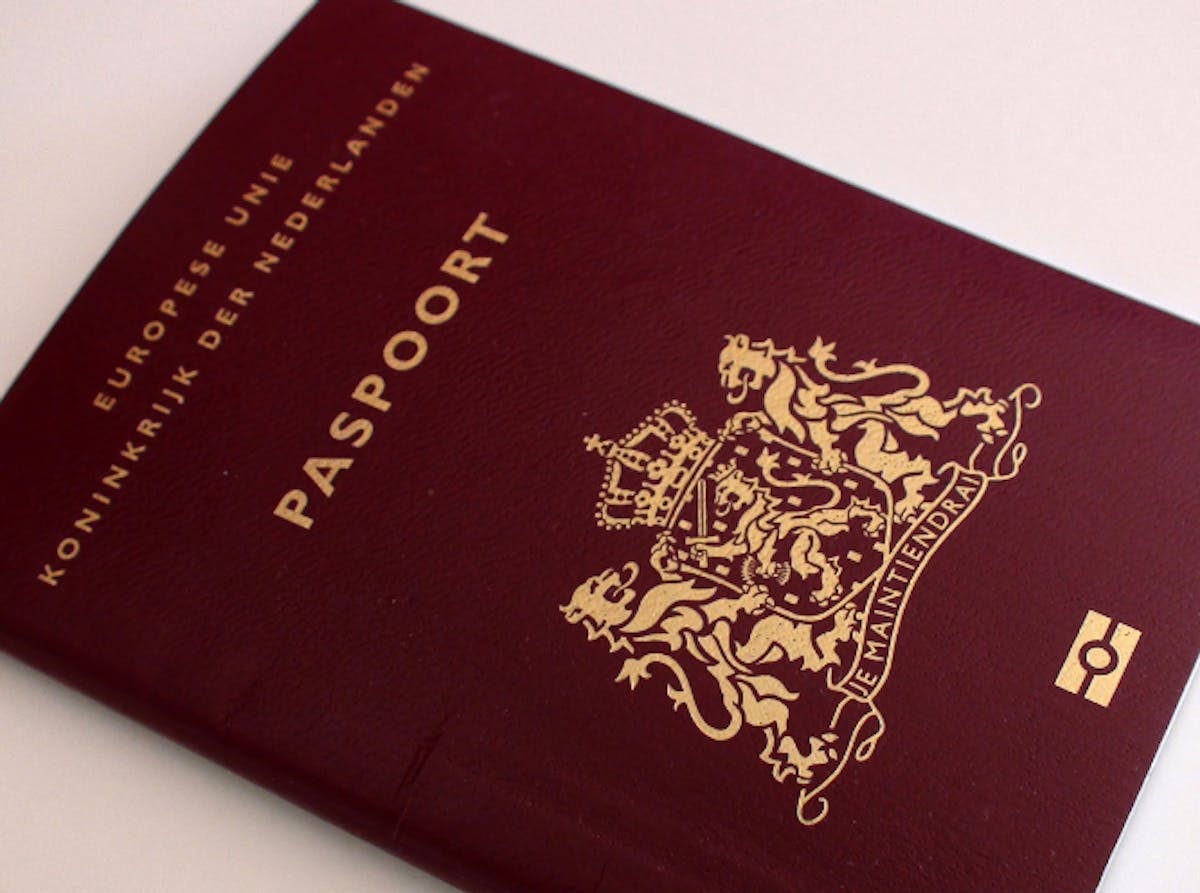
A Dutch passport
EU freedom of movement
The right to vote
Full access to Dutch and EU protections
No more visa renewals
Long-term stability for your family
You and/or your children will meet some of the requirements for the statutory study fees
🧭 Who Can Apply? Eligibility Requirements
According to Dutch law applicants must meet the following:
✔ 1. Five years of legal, uninterrupted residence
Some exceptions apply (e.g., marriage to a Dutch citizen).
✔ 2. Successful completion of the Inburgering exams
Including Dutch language and knowledge-of-society tests.
✔ 3. Valid residence permit at the time of application
✔ 4. Demonstrated integration into Dutch society
✔ 5. Willingness to renounce prior citizenship — unless exempt
Some South Africans qualify for exceptions that allow dual citizenship, but the Dutch are very strict about dual nationalities, and this can be a complicated process: https://www.government.nl/topics/dutch-citizenship/dual-citizenship
📚 The Inburgering Requirement
Your uploaded documents highlight the importance of inburgering, which includes:
Dutch language exams (Writing, Reading, Oral and Listening exams) A2 level
We suggest making use of a language school that can also help you prepare for the exams, as it can be quite disconcerting when you're doing the oral exam and everyone in the exam hall answers simultaneously. At the momen,t the requirement is that you complete the A2 level exams, but there have been talks that this might be increased to B1 in future.
Knowledge of Dutch society (KNM)
It covers: Dutch culture, Healthcare, Education, Work culture, History, Social norms, and Rights & responsibilities. You should be fine by reading through the prescribed textbook and memorising a few things like provinces, main cities, etc.
Orientation on the Dutch labour market (ONA)
This is the most common exemption for Ir Olav’s Globetrotters candidates.
You must have worked paid employment in the Netherlands
For at least 48 weeks (12 months)
For at least 16 hours per week
Need to provide Employer statement (DUO form), Payslips or employment contract and Registration in the Dutch BRP
You can complete these exams at any time during your residence in the Netherlands, with many opting to do it as soon as possible so that there's less stress when they near their 5-year milestone and start their application process.
⏳ How Long Does the Process Take?
After 5 years of residence → you become eligible
After application → up to 12 months for a decision
After approval → you must attend the naturalisation ceremony
After the ceremony → you may apply for your Dutch passport and ID card
💶 Application Fees
Typical costs:
€1,000–€1,200 per adult
€150–€200 per child
€1,300–€1,500 for families
Exact 2026 fees will be published at year-end.
🏛 Where You Apply
Your local municipality (gemeente).
They check:
Integration certificates
Identity documents (passport and verblijfsvergunning)
Criminal record
Residence history
Language qualifications
🎉 The Naturalisation Ceremony
This ceremony marks the official moment you become Dutch.
You will:
Make the declaration of allegiance
Accept Dutch rights and responsibilities
Receive your naturalisation certificate
Only afterwards can you apply for your Dutch passport.
🌍 Why Many South Africans Choose Citizenship
Long-term stability
Better opportunities for children
EU mobility
Economic security
A strong, reliable public system
Strong passport (the Dutch passport is consistently ranked among the best in the world due to its high level of visa-free access, it often ranks in the top 5 passports in the world).