
Finding Your People: How South Africans Actually Build a Social Life in the Netherlands
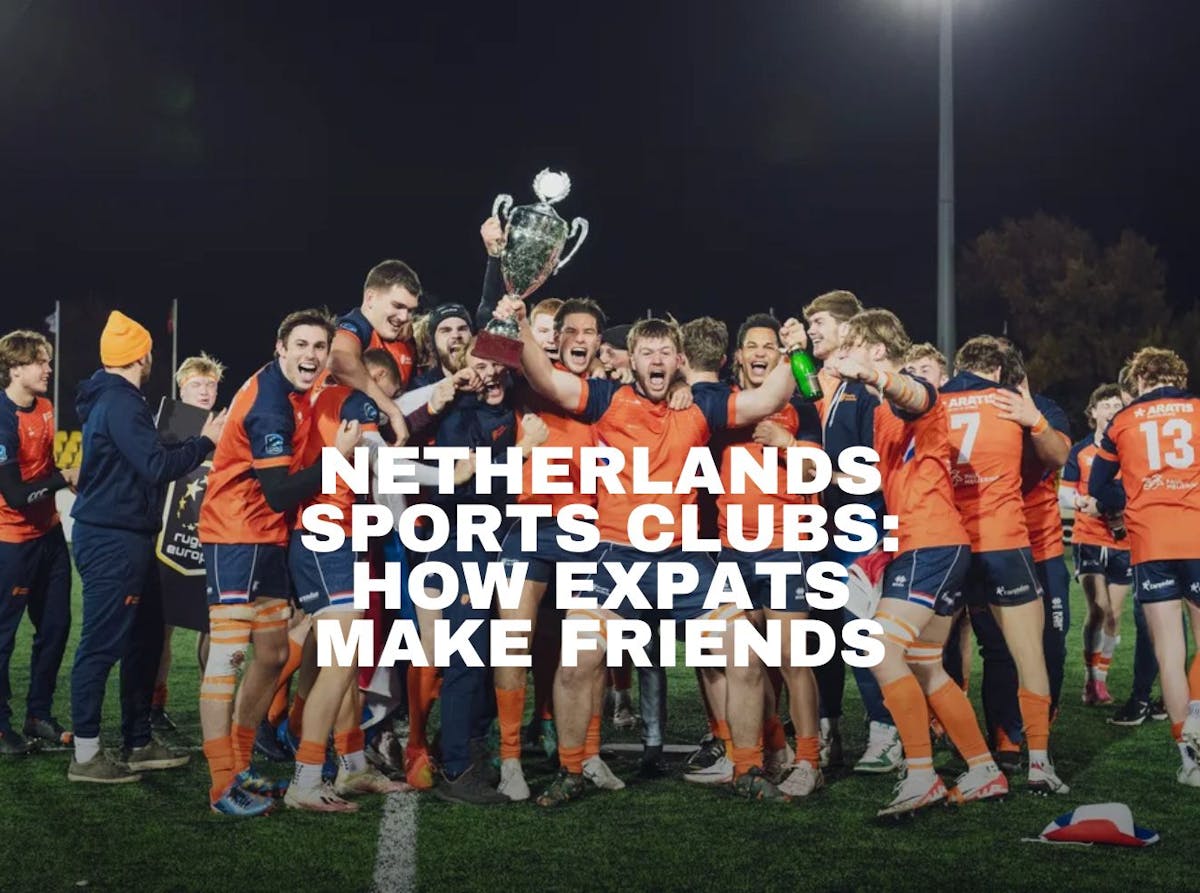
You build a social life in the Netherlands the same way most Dutch people do: by joining a club. The country runs on verenigingen, and a weekly sports club, board game night, or hobby group solves the "I don't know anyone here" problem faster than trying to force friendships from scratch.
Why does making friends in the Netherlands feel so hard at first?
Nobody tells you about the quiet part of relocating. Not the visa admin, not the paperwork, the other quiet part: landing in a new country where you don't know a single soul outside your new colleagues.
For a lot of Globetrotters, especially the ones who moved on their own, this is the real adjustment. Not the language, not the bike lanes. It's the Tuesday evening with nothing on the calendar and no one to call.
The good news is this problem is more solvable than it feels in month one, because the Dutch have already built the system for you.
How many sports clubs are there in the Netherlands?
The Netherlands has close to 21,700 sports clubs affiliated with NOC*NSF, representing 4.3 million organised sportspeople out of a population of about 18 million. Football, hockey, running, padel, tennis, rowing, cycling, darts. There's a club for nearly everything within cycling distance of wherever you live.
That's the honest part worth knowing too, though. CBS data shows people with a foreign background join clubs and associations at meaningfully lower rates than Dutch-born residents, 43% versus 69% in 2024. That gap isn't because the clubs are unwelcoming. It's because nobody hands you the invitation. You have to walk in and ask, and that's a genuinely bigger step when you've just left your entire support system behind.
Takeaway: the infrastructure for a social life already exists here at a scale most newcomers underestimate. The gap isn't access, it's the first step through the door.
Why does a club work better than "just meeting people"?
Trying to make friends as an adult in a new country, with no structure around it, is hard anywhere. A club solves that by giving you a repeatable, low-pressure reason to show up to the same place, with the same people, every week, without having to engineer a hangout from scratch.
It also comes with a built-in Dutch cultural crash course you won't get from a colleague. Most clubs run on volunteer labour, so you'll likely end up on a WhatsApp group, occasionally behind the bar after a match, and invited to a borrel (an after-activity drink) more often than you'd expect from what looks on paper like "just sport." That's where the real friendships, and the real Dutch practice, actually happen.
Which clubs are the easiest entry point for South African newcomers?
Padel and running clubs have exploded in popularity over the last few years. Casual, flexible, and full of other people who joined solo.
Football and hockey clubs are more of a commitment but among the most welcoming to internationals. Many cities have clubs that specifically market themselves to expats.
Rugby, cricket, and netball clubs exist in the bigger cities, some run by and for the expat community specifically. Nothing beats a scrum or a net session with people who already understand exactly what you left behind.
Board game cafes and clubs are everywhere in Dutch cities. A genuinely popular, low-effort way to meet people on a weeknight, no fitness level or Dutch required.
Junior teams at most sports clubs make joining as a family one of the fastest ways children settle into a new school's social world, if you're relocating with kids.
Takeaway: you don't need to pick the "right" club. You need to pick one that's low-effort enough that you'll actually show up twice.
What does the first few months actually look like?
You don't need to have this figured out before you land. A realistic first few months looks more like: get settled, ask a colleague or your new community group where they play, show up to one trial session, and let the structure do the rest. Most clubs are used to people trying a session or two before committing. There's no awkwardness in testing the water.
By month three or four, "I don't know anyone here" tends to quietly stop being true. Not because of one big event, but because you showed up on the same Tuesday enough times.
Is it normal to still feel isolated in the first few months?
Yes. This won't happen for you automatically the week you land, and we won't pretend it does. Building a genuine social circle from nothing takes deliberate effort, especially early on when documents, housing, and a new job are also demanding your attention.
What we can tell you is you're not doing it entirely from zero. Our community, a private Facebook and WhatsApp group of fellow South Africans already living the Dutch life, plus regular in-person and online events, exists specifically to give you a first foothold before you've found your own club or crowd. A lot of Globetrotters end up finding their first running partner or padel four through that group alone.
FAQ
Do I need to speak Dutch to join a sports club? No. Most clubs, especially padel, running, and expat-oriented football or hockey clubs, run comfortably in English, particularly in the bigger cities. You'll pick up Dutch phrases naturally through the WhatsApp group and the borrel afterwards.
What if I'm relocating on my own, not with a partner or family? Solo movers are exactly who padel, running, and board game clubs work best for. You're joining alongside other people who also don't know anyone yet, which makes the first session far less awkward than it sounds.
How soon after arriving should I try to join something? As soon as you're settled enough to commit to a weekly slot, usually within the first month or two. Momentum matters more than timing it perfectly. One trial session is a low enough bar to clear early.
What if the first club I try doesn't feel right? Try another one. Most clubs expect people to sample a session or two before joining, so there's no social cost to switching until you find the group that fits.
Ready to build your own week here?
If you're weighing the move and want to see what roles are currently open, start here: thenextglobetrotter.co.za/jobs
Engineer Your Dutch Life. We know the adjustment because we've all made it ourselves, and we're not going anywhere once you land.
Image source: https://www.world.rugby