
Dutch Job Market Stats for South African IT, Engineering and Finance Professionals: Where the Real Opportunities Are

If you are planning a move to the Netherlands, it helps to stop asking, “Are there opportunities?” and start asking, “Where is demand strongest, and what does that demand actually look like?”
That is where labour-market data becomes useful.
The Netherlands ended the fourth quarter of 2025 with 380,000 open vacancies. New vacancies were still being created at scale, but the market was cooler than at its tightest point, with 93 vacancies for every 100 unemployed people. In other words, there is still a lot happening, but employers are choosing carefully.
For South African professionals in IT, Engineering and Finance, the real value comes from understanding which sectors are large, where vacancies are concentrated, what level employers want and what kinds of contracts dominate.
IT in the Netherlands: still one of the clearest opportunity areas
If your background is in software, systems, cloud, infrastructure, applications or data, the Dutch market still offers strong signals.
CBS shows that there were 575,000 people working in ICT occupations in Q4 2025, up from 555,000 a year earlier. That matters because it points to a profession that was still growing in workforce size, even as the wider vacancy market cooled.
ArbeidsmarktInZicht also highlights ICT as a distinct occupational class and notes that the field tracks workgelegenheid, vacancies, unemployment benefits and labour-market tension. A separate ArbeidsmarktInZicht analysis on ICT employment notes that software and application developers account for 67.5% of ICT workers, followed by database and network specialists at 16.97%. That is a useful signal for candidates trying to understand where the biggest clusters of work sit.
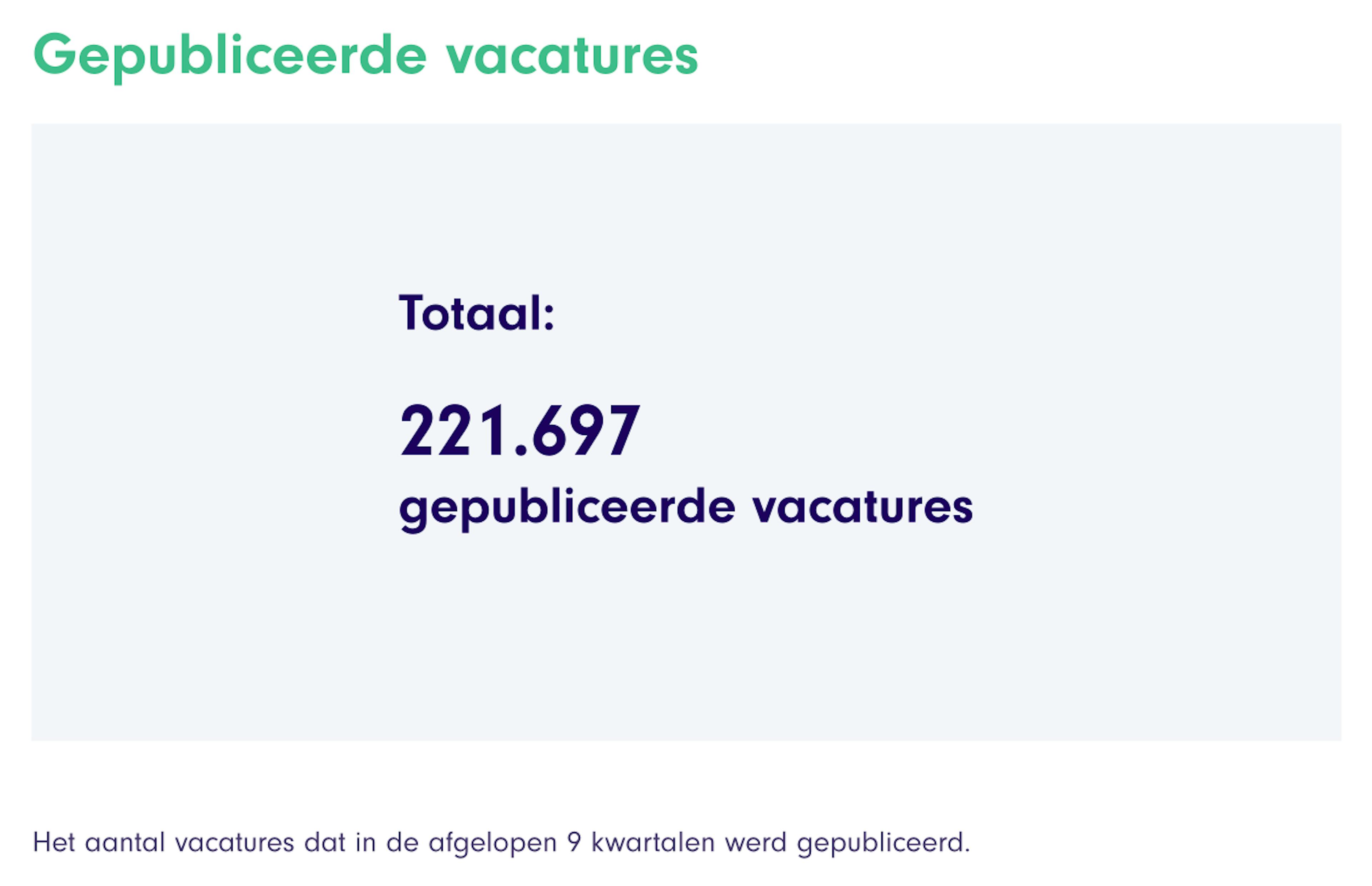
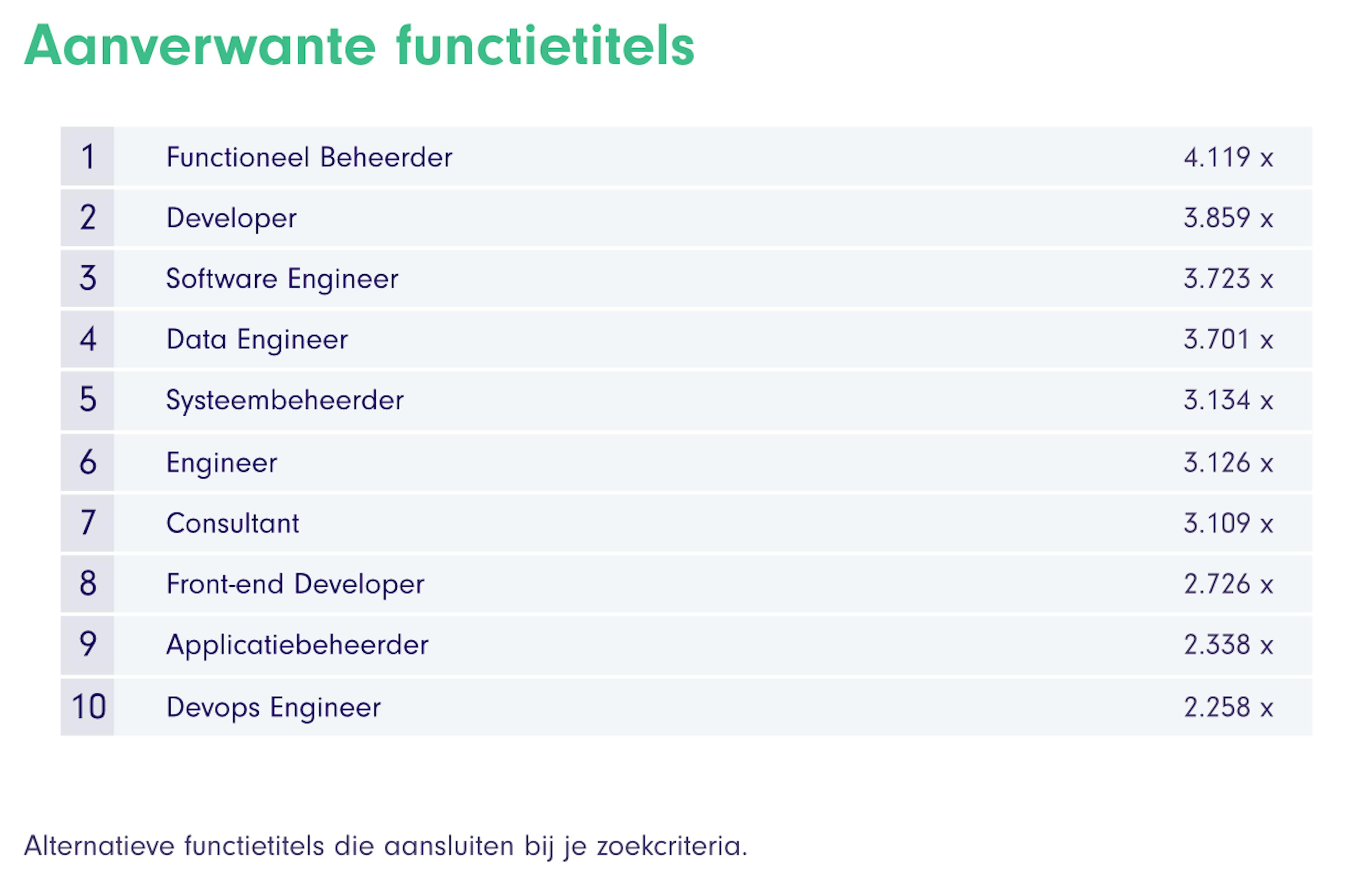
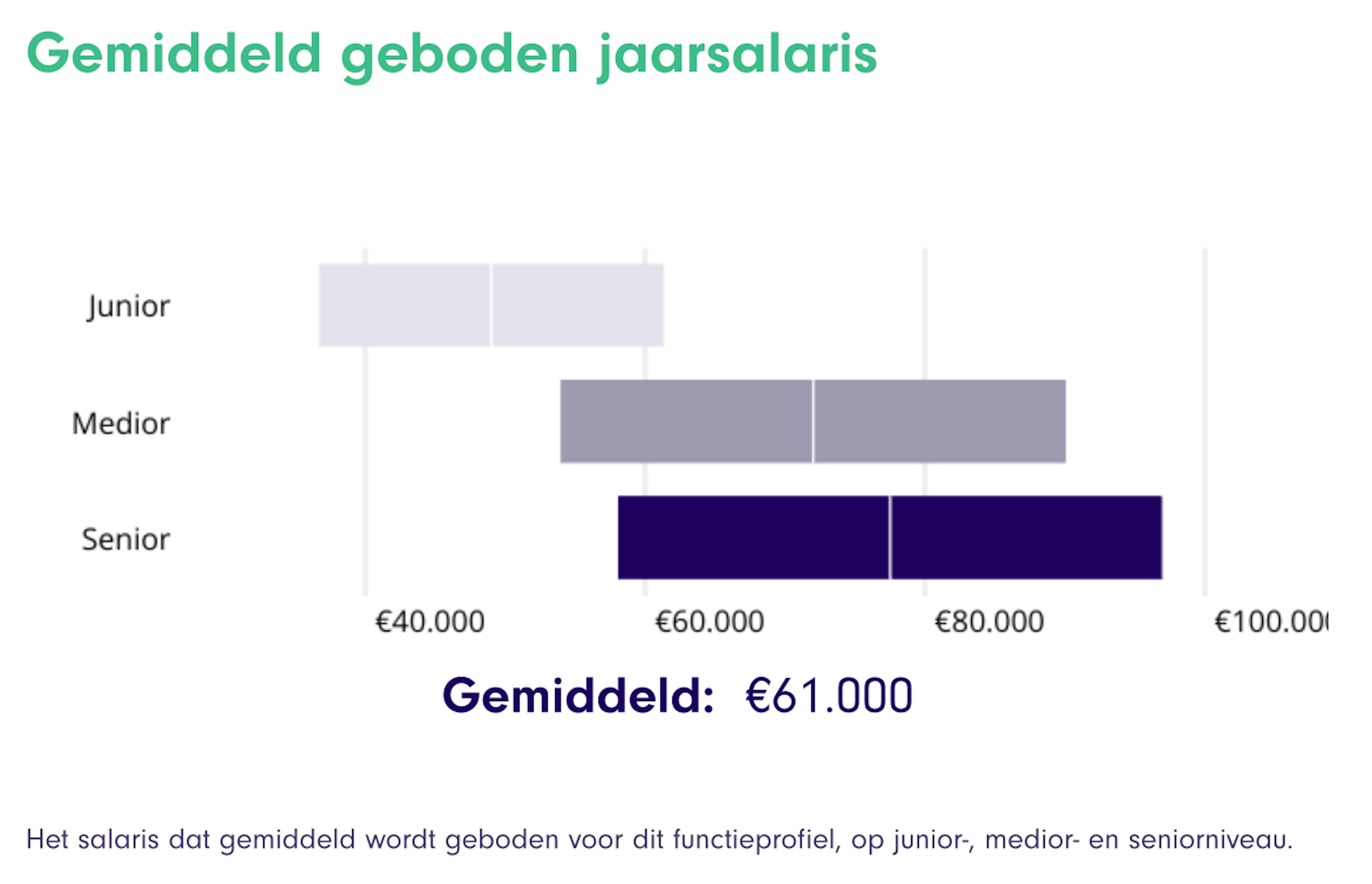
Recent Jobdigger vacancy analysis* adds practical detail. It shows 221,697 published ICT vacancies over the last nine quarters, with recurring titles such as Functioneel Beheerder, Developer, Software Engineer, Data Engineer, Systeembeheerder, Consultant, Front-end Developer and DevOps Engineer. It also shows that 74% of ICT vacancies target medior candidates, 70% are full-time, 85% are permanent, and 57% are advertised through intermediaries. The average offered annual salary in that data set is €61,000.
For South African professionals, the message is straightforward: Dutch tech is not only hiring coders. It is also hiring for applications, platforms, systems and operational IT roles. But broad “IT professional” branding is too weak. Clear specialisation matters.
Engineering in the Netherlands: the broadest vacancy base of the three
Engineering stands out for one reason immediately: scale.
CBS shows that 1.352 million people were working in technical occupations in Q4 2025. That makes technical work one of the largest professional groups in the Dutch labour market.
ArbeidsmarktInZicht tracks technical occupations as a separate beroepsklasse covering vacancies, workenden and labour-market tension, which fits what many internationally mobile professionals already suspect: engineering demand in the Netherlands is broad, not narrow.
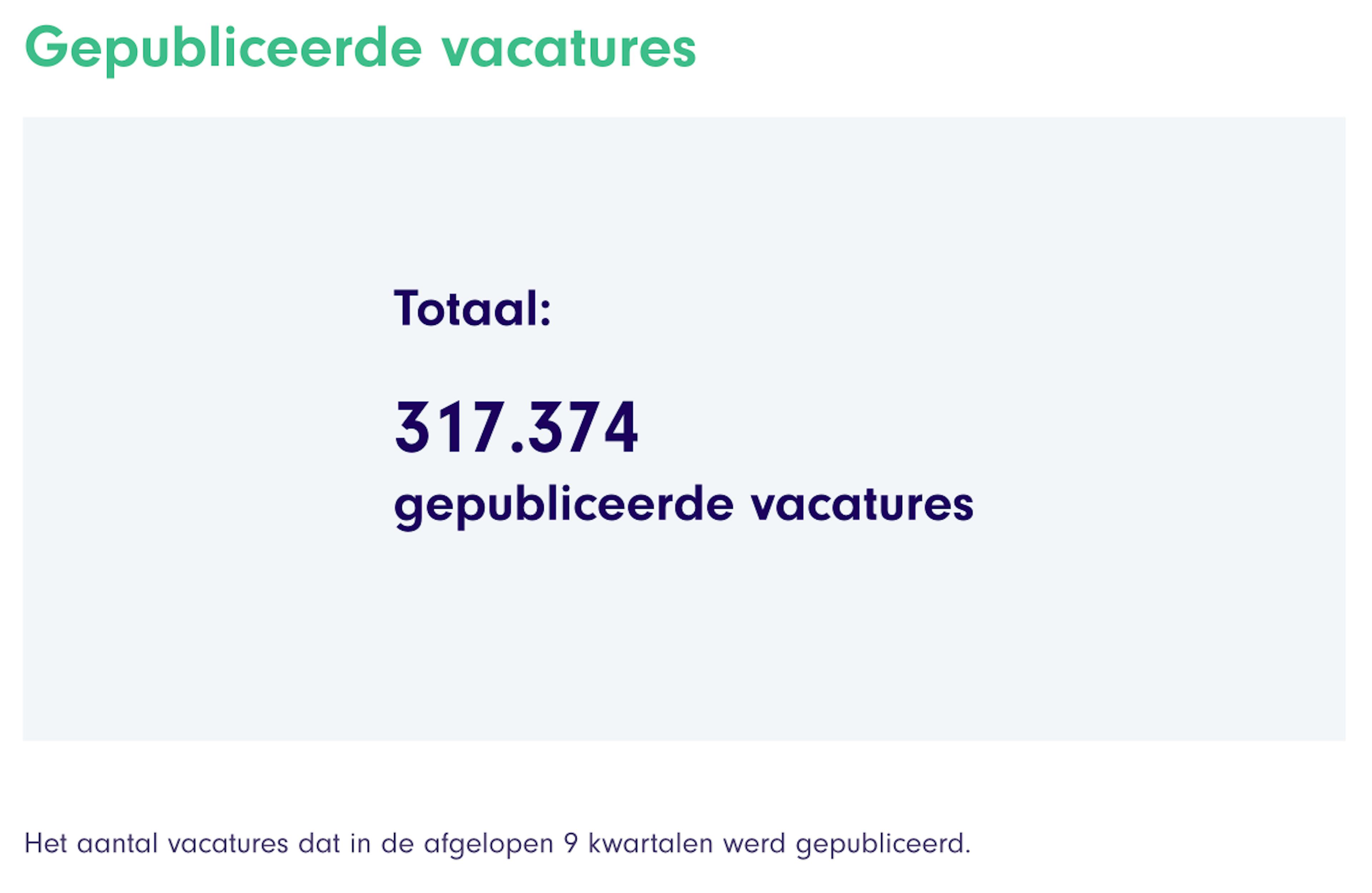
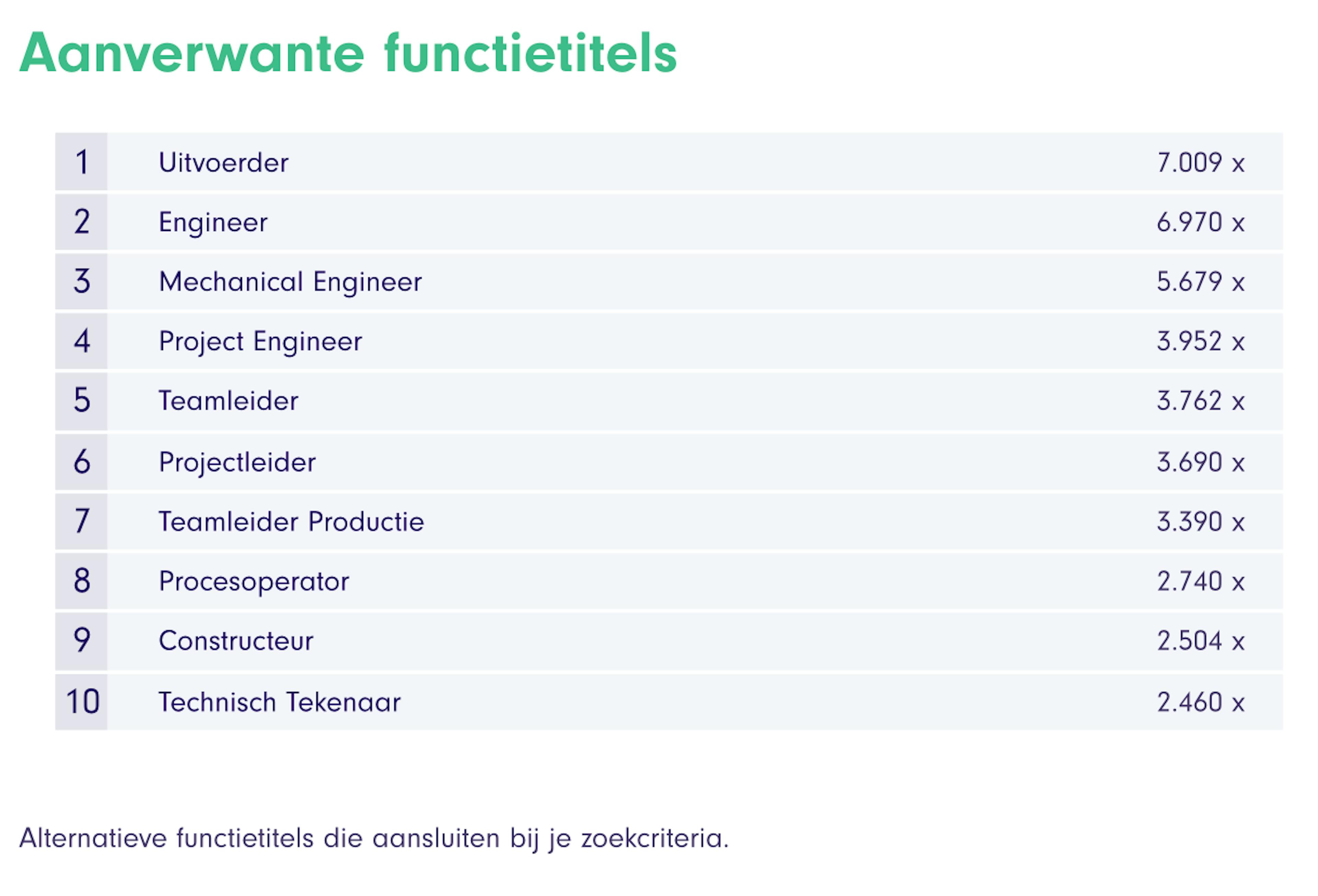
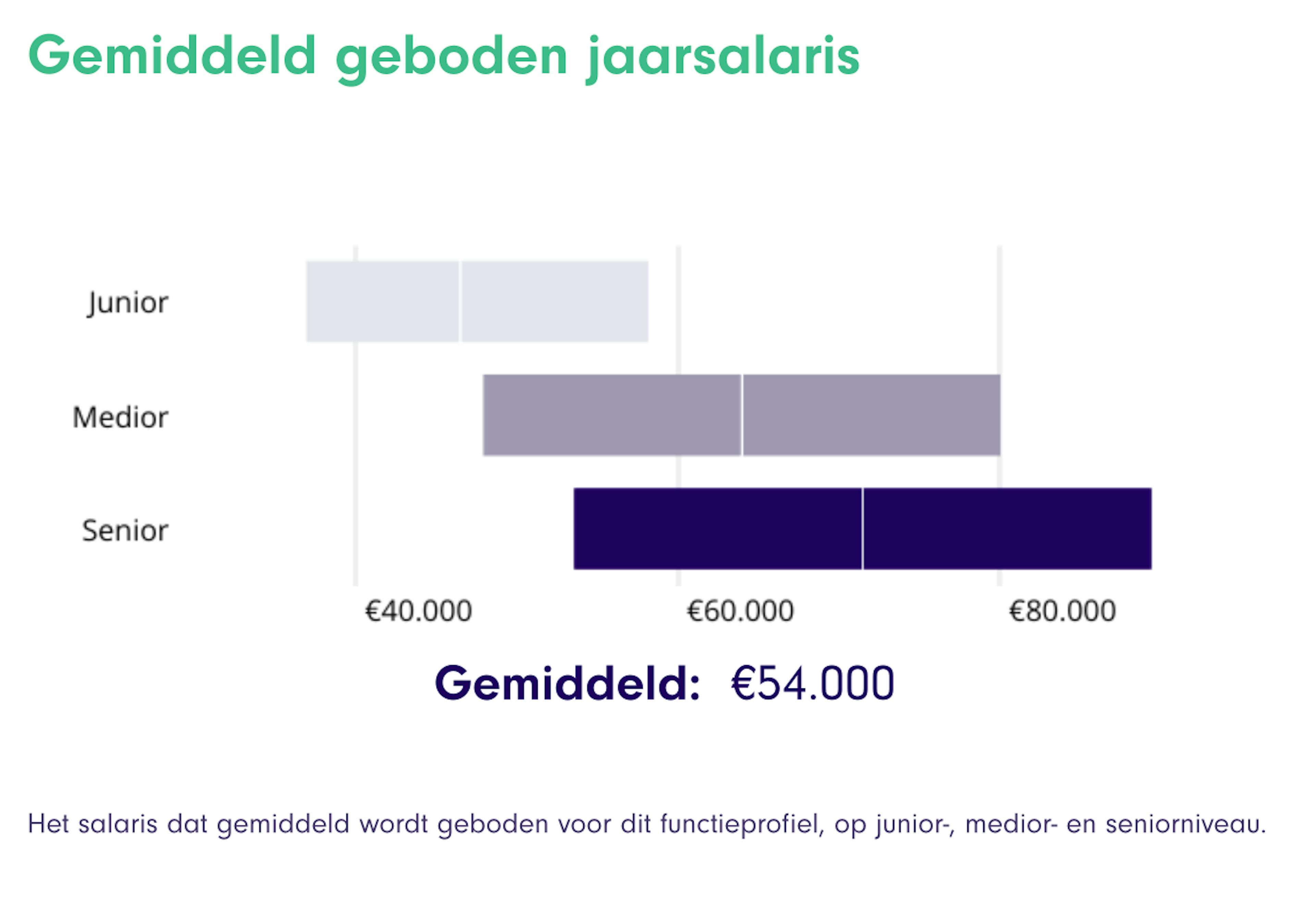
Jobdigger’s technical vacancy analysis* shows just how broad. Across the last nine quarters, it recorded 317,374 published vacancies in technical occupations. Frequently appearing titles included Uitvoerder, Engineer, Mechanical Engineer, Project Engineer, Teamleider, Projectleider, Procesoperator, Constructeur and Technisch Tekenaar. The same report shows 65% of vacancies targeting medior candidates, 76% full-time, 93% permanent, and 70% advertised via intermediaries. The average offered annual salary in this group was €54,000.
This matters because “engineering” in the Dutch market is not just about classic design roles. It includes project execution, site work, manufacturing, infrastructure, process environments and technical coordination. For South African candidates, that creates multiple possible entry points, but only if the CV and job search strategy clearly define the discipline and environment.
Finance in the Netherlands: smaller pool, stronger precision, higher average salary
Finance is different from IT and Engineering because the opportunity is real, but the matching usually needs to be tighter.
CBS shows that 1.924 million people were working in business-economic and administrative occupations in Q4 2025, making it the largest occupational class among the three broad groups discussed here.
That does not mean every finance professional has an easy path in. It means the wider professional base is large. Within that base, role-specific matching matters a lot.
ArbeidsmarktInZicht tracks financial services and real estate as its own sector dashboard, with data on vacancies, employers, workenden and labour-market pressure.
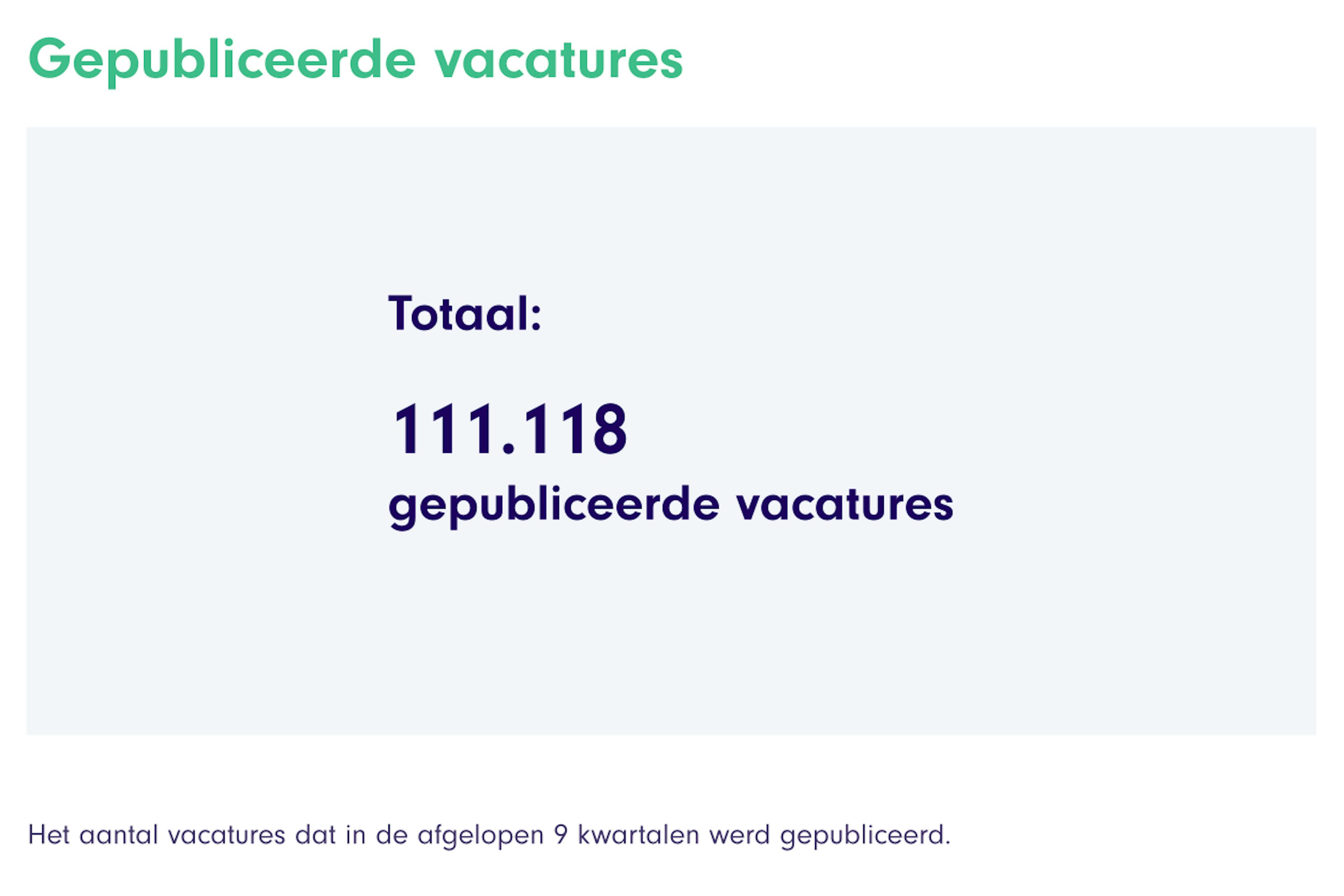
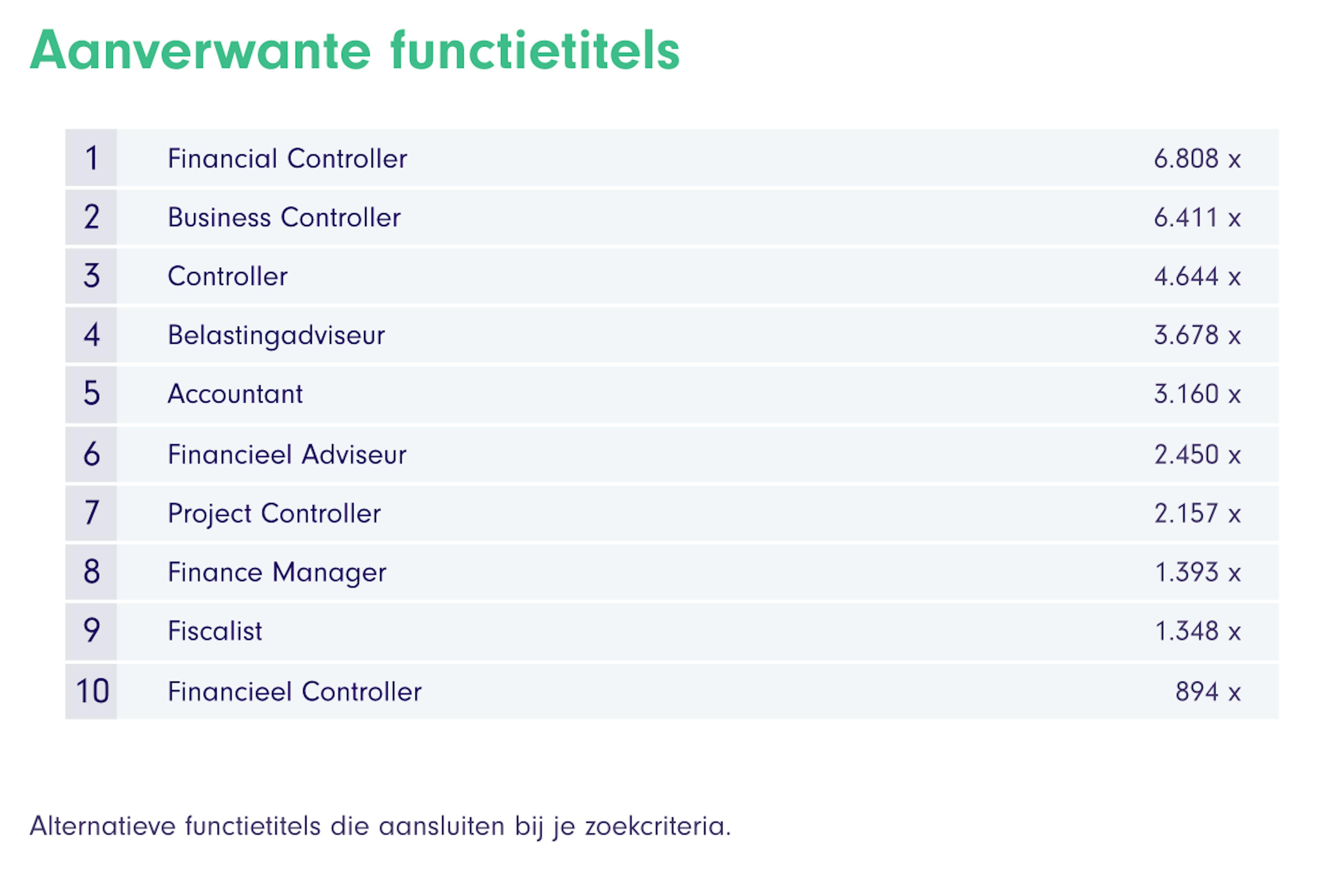
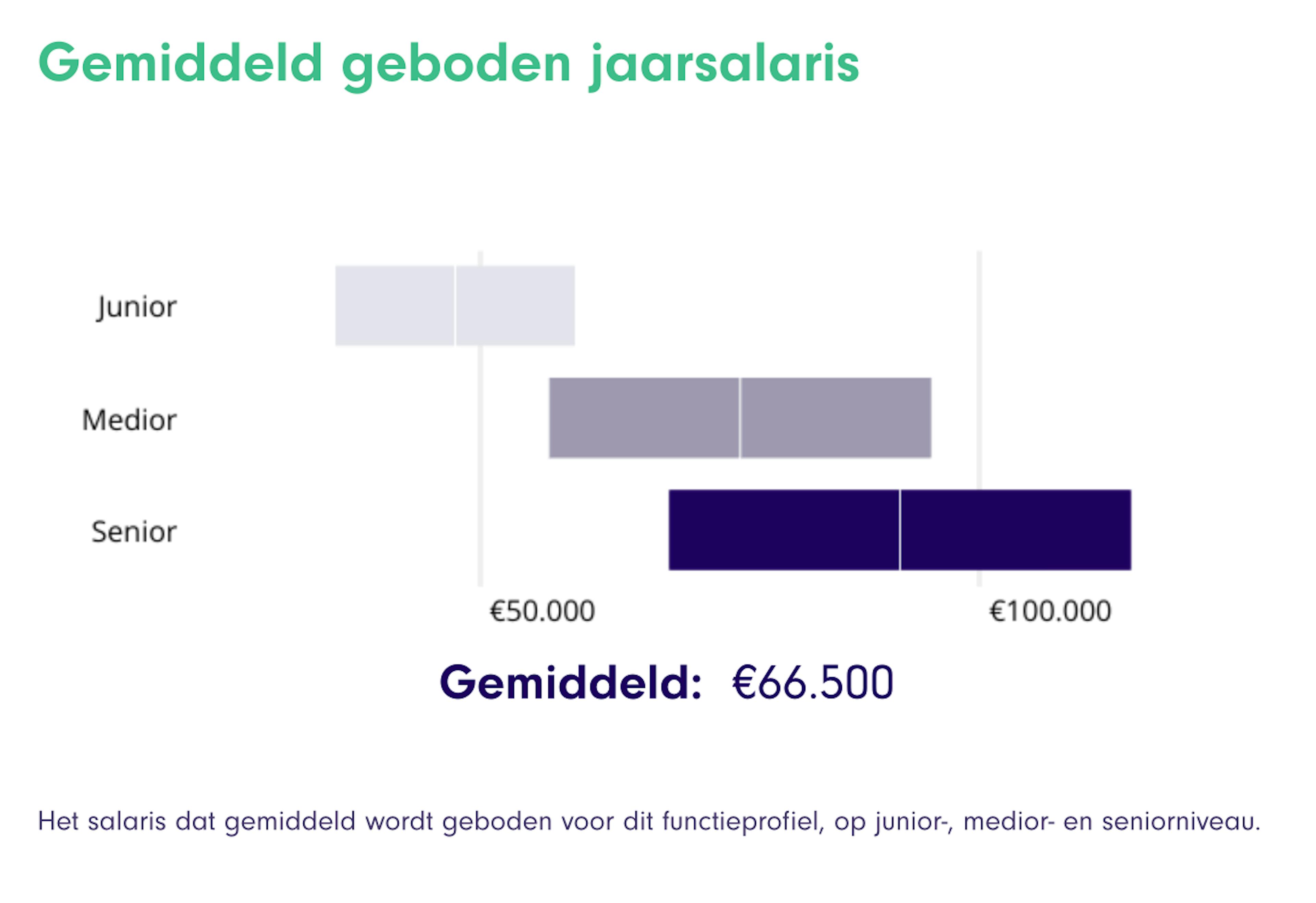
Jobdigger’s finance vacancy analysis* brings the sharper detail. It shows 111,118 published vacancies over the last nine quarters, with common titles including Financial Controller, Business Controller, Controller, Belastingadviseur, Accountant, Financieel Adviseur, Project Controller and Finance Manager. In this data set, 72% of vacancies target medior professionals, 89% are permanent, and the average offered annual salary is €66,500, the highest of the three sector groups here. It also shows a 50/50 split between direct employers and intermediaries.
That mix tells an important story. Finance may have fewer vacancies than Engineering or ICT in this particular vacancy dataset, but the roles can pay well and often lead to stable employment. The catch is that employers usually want a more exact fit. Profiles built around controlling, reporting, audit, ERP, tax, compliance or business analysis are often easier to understand than broad general finance branding.
What the numbers say when you compare the three
Side by side, the sector picture becomes much clearer. Engineering appears broadest in vacancy volume. ICT remains one of the clearest growth-led opportunity areas. Finance is smaller in vacancy count in this data set, but stronger on average offered salary and still very solid on permanent roles.
Final thought
The smartest move is not just applying to the Netherlands. It is understanding the shape of the market before you apply.
CBS shows the scale of the labour market. ArbeidsmarktInZicht helps show how professions and sectors are moving. Vacancy analysis adds practical insight into titles, contract types, salaries and experience levels. Put together, they show a market that still holds real opportunity for South African IT, Engineering and Finance professionals, especially those who already have solid experience and a clearly defined profile.
Suggested source line: Sources include the CBS Dashboard Arbeidsmarkt, CBS Beroepen van werkenden, ArbeidsmarktInZicht, and recent Jobdigger market analysis reports*.
*Note: the Jobdigger market analysis reports were drawn on 14/04/2026 and cover Q1 2025 through to Q1 2026.